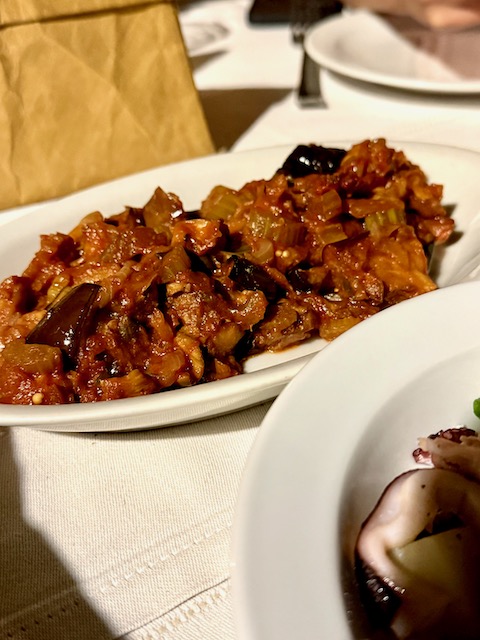
Seven years ago, I sat at an outdoor table at Trattoria Piccolo Napoli, a small restaurant in the heart of Palermo.
For the first time, I tasted caponata as it was meant to be eaten. Made with fresh local ingredients and clearly a lot of love. I never understood caponata before this. For years it had been served on the antipasto tray of our Italian-American family’s holiday gatherings, but it never really spoke to me until then.
Tasting caponata on this day, I finally realized what had been missing. The eggplant was meant to be velvety but not mushy. The flavors were both sweet and sour in the best way. And the tomato, while saucy, was not overly acidic but not entirely muted with sugar either. It was rich, and complex (something that I have yet to attain in my own attempts at making the dish).
This day, I finally got it. Caponata is delicious. But I have yet to recreate its magic at home.
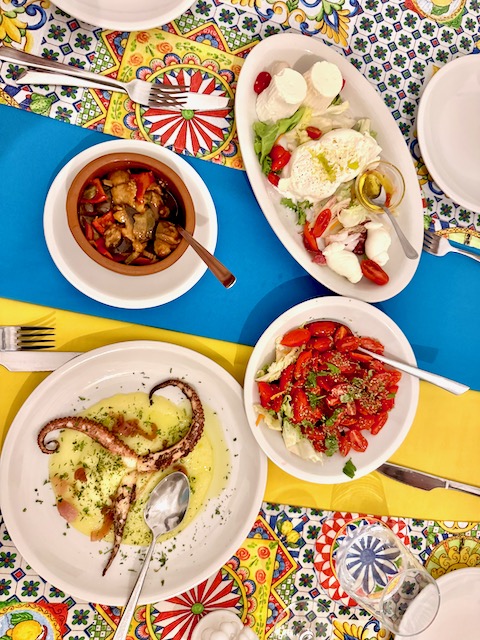
What Caponata Is
Caponata is a signature Sicilian dish made with eggplant, tomato, onion, and a few other ingredients that are up for debate. Many recipes call for celery, olives, raisins, capers, vinegar, sugar or some combination of all of the above. It’s typically served as an appetizer, and can be eaten warm, cold, or room temperature (though I’ve come to love warm as my favorite option).
Because Sicily is a melting pot of cultures, there are many theories of how caponata came to be a Sicilian staple. Its influence could be Roman, Catalan/Spanish, or Arabic, but it doesn’t seem to be clear. Every family in Sicily has its own way of making caponata, which is often influenced by the region in which it’s being made.
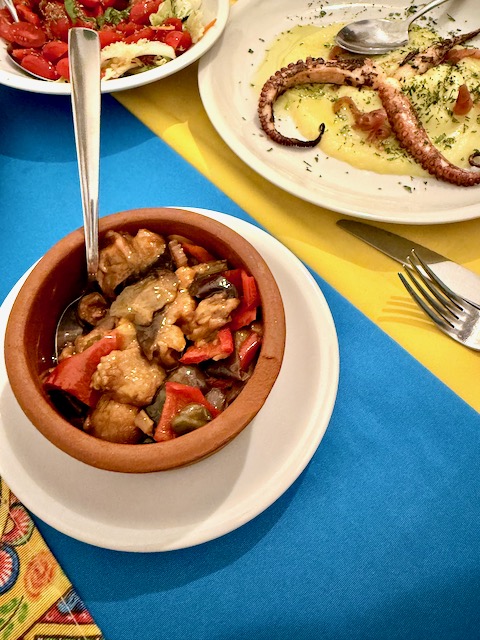
The Palermo-style with olives and celery is the version that I grew up with, but the Catania version includes peppers and potatoes; the Trapani version includes peppers and raisins; the Agrigento region sometimes swaps green olives for black; some coastal versions include seafood; and when we were in Siracusa the caponata was made with a combination of eggplant and zucchini.
One thing that is consistent, it balances sour and sweet, something that is distinctly Sicilian, and it gets better the longer that it sits.
My Cookbook Journey to Find the “Perfect” Recipe
I scoured my cookbook collection to find the perfect caponata recipe to try, but found that each was missing elements that I thought we had tasted in the dishes of our travels.
The Silver Spoon – I’ve made this recipe several times over the years, but somehow it never lives up to those memorable versions I had in Sicily. There’s something missing – maybe not enough oil? It never achieves that silky texture that makes caponata so irresistible.
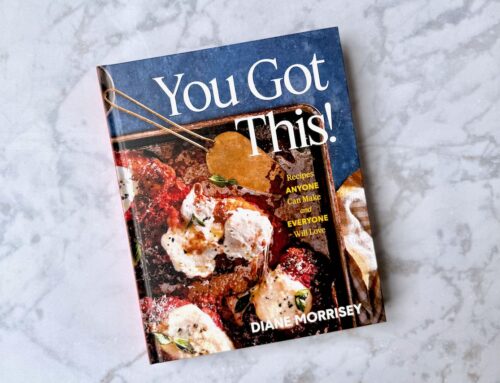
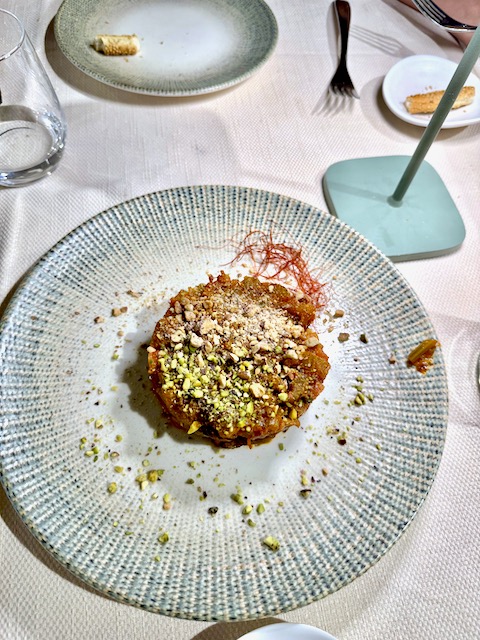
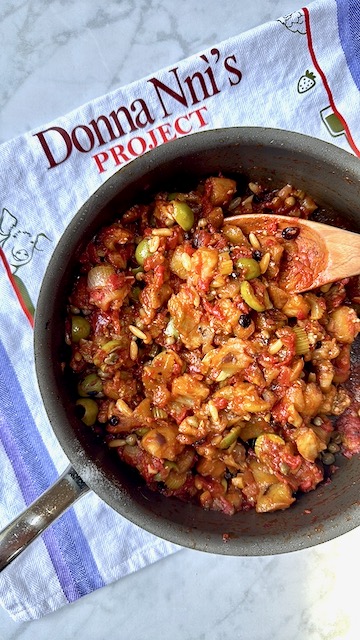
The Food of Sicily: Recipes from a Sun-Drenched Culinary Crossroads by Fabrizia Lanza – This became my base recipe for the version in the photo below, though I couldn’t resist adding pine nuts and raisins to the mix. The result was good, but I found the tomato sauce didn’t provide the complex depth of flavor I was after. Again, it lacked that silky quality, and the tomato flavor felt too prominent. The recipe called for red or white wine vinegar – I was out of white, so I used red, but found it harsh. Definitely would have preferred the white.
Italian Coastal: Recipes and Stories from Where the Land Meets the Sea by Amber Guinness – This version called for double the sugar and used almonds instead of pine nuts, plus even more tomato sauce. What caught my attention was its specific call for white wine vinegar – exactly what I’d been missing in my previous attempt.
The Italian Summer Kitchen: Timeless Recipes for La Dolce Vita by Cathy Whims – I only recently discovered this book after hearing about it on the Everything Cookbooks podcast, and now I’m dying to try their approach. Instead of sugar, it calls for honey. It also calls for Gaeta olives specifically, and hand-squeezed tomatoes rather than preparing a separate sauce or passata.
Trying Again
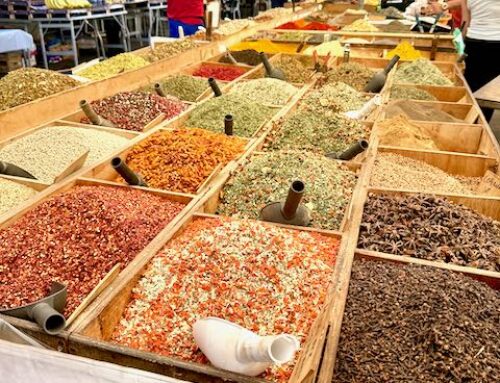
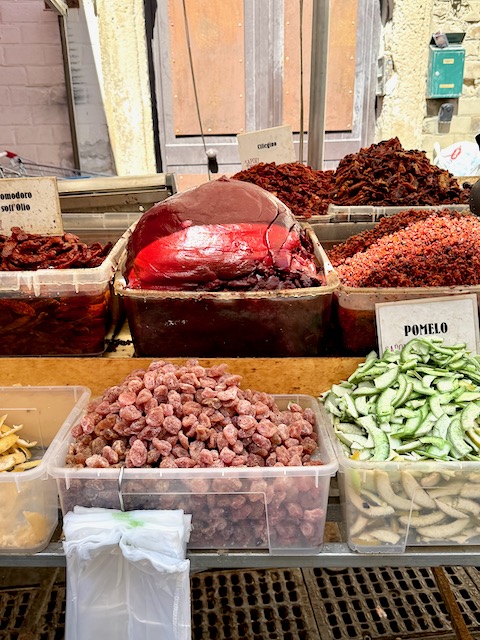
The next time I make caponata, there are a few adjustments I’d like to make. Specifically trying white wine vinegar rather than red, possibly trying honey rather than sugar, and most importantly I’d like to try using strattu or estratto. Strattu is a super concentrated tomato paste known to be the secret Sicilian chefs use to turn sauce from typical to terrific. When we were in the markets of Siracusa, I remember seeing mountains of it sitting on the counters. I believe it might just be the secret sauce that I’ve been seeking.
Like any traditional recipe passed down through generations, caponata reminds me that the best dishes – much like the best quilts – aren’t just about following a pattern. They’re about understanding the principles, respecting the tradition, and then making thoughtful choices that reflect your own taste and the ingredients at hand.
My caponata journey isn’t over – I’m still chasing that perfect balance of sweet, sour, and silky that I tasted in Sicily. But maybe that’s the point. Just like in quilting, it’s the process of making, adjusting, and making again that brings the real satisfaction. Sometimes the best discoveries happen not when we get it perfect, but when we’re brave enough to keep trying.
Have you ever made caponata before? I’d love to hear about it! Leave a comment below!
Please note this page may contain affiliate links. As an affiliate, I may earn a small commission from qualifying purchases. This helps support my work at no extra cost to you. Thank you for trusting my recommendations!